
Driving progress in construction with forward-thinking designs, smart technology, and sustainable methods
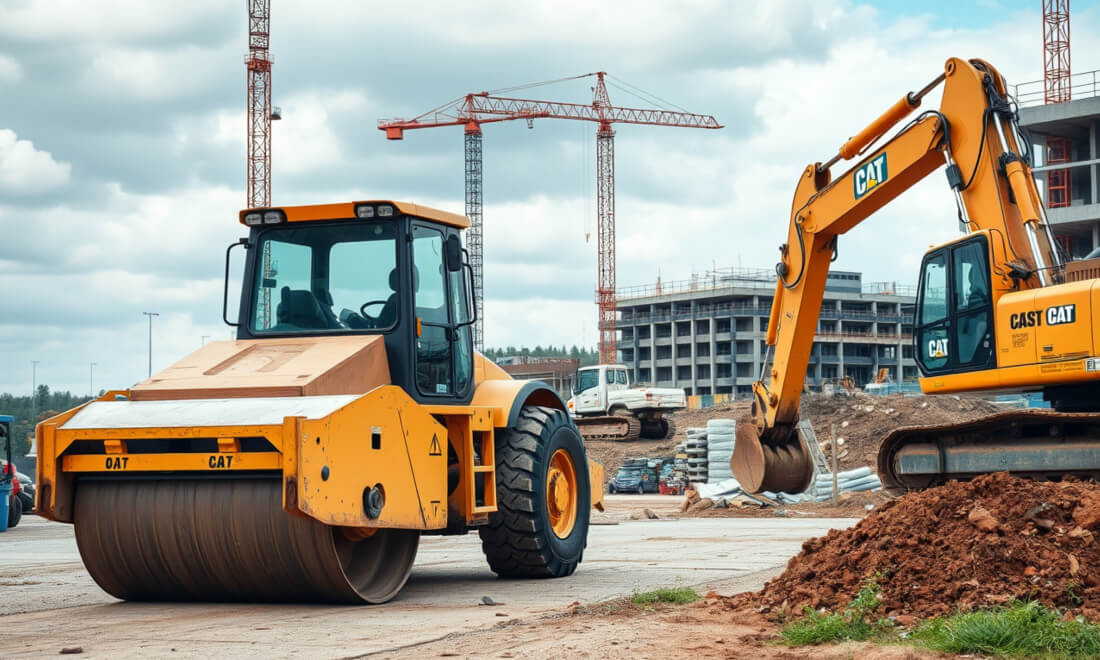
Why Road Infrastructure is the Lifeline of Economic Development
Roads aren’t just strips of asphalt connecting Point A to Point B—they’re the veins that keep the economy’s heartbeat strong. In 2025, efficient and well-maintained road infrastructure plays a vital role in enabling trade, boosting tourism, and connecting communities to essential services. Without it, goods don’t move, businesses struggle, and opportunities shrink.
From rural farmers transporting fresh produce to cities, to global shipping networks relying on highway links to ports, road infrastructure underpins almost every sector of the economy. A single new highway can open up remote regions, attract investors, and slash transportation costs, setting off a chain reaction of economic growth.
The road to development is paved with infrastructure
AnonymousHow Roads Drive Trade, Tourism, and Local Growth
When businesses have access to reliable road networks, they can transport goods faster, cheaper, and with fewer losses. This efficiency makes products more competitive in both local and international markets. For regions rich in natural resources or agriculture, good road systems can be the difference between thriving exports and wasted potential.
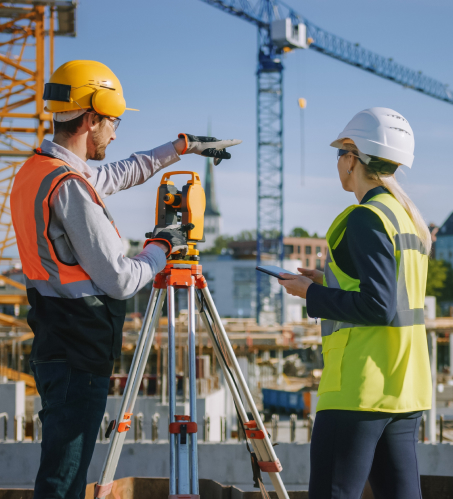
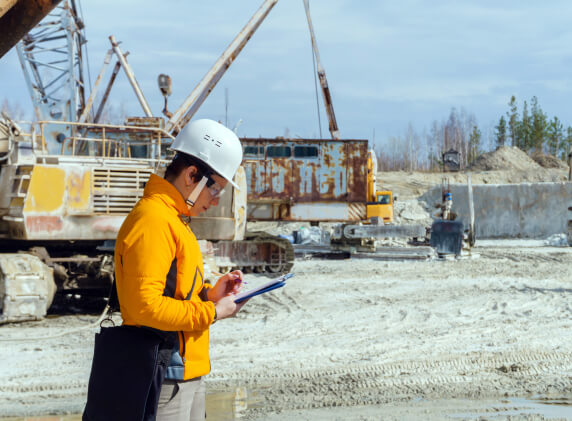
Tourism also thrives where roads are smooth, safe, and scenic. Travelers are more likely to explore regions when they can get there easily, leading to more spending in hotels, restaurants, and local attractions. On a smaller scale, better roads connect communities to schools, hospitals, and job markets—fueling local development and improving quality of life.
Related Tags :
Begin Your Dream Project Today!
Driving progress in construction with forward-thinking designs, smart technology, and sustainable methods
Copyright 2024 – All Rights Reserved By KumKumMetacon pvt ltd
Crafted with ❤️ by Gomindz